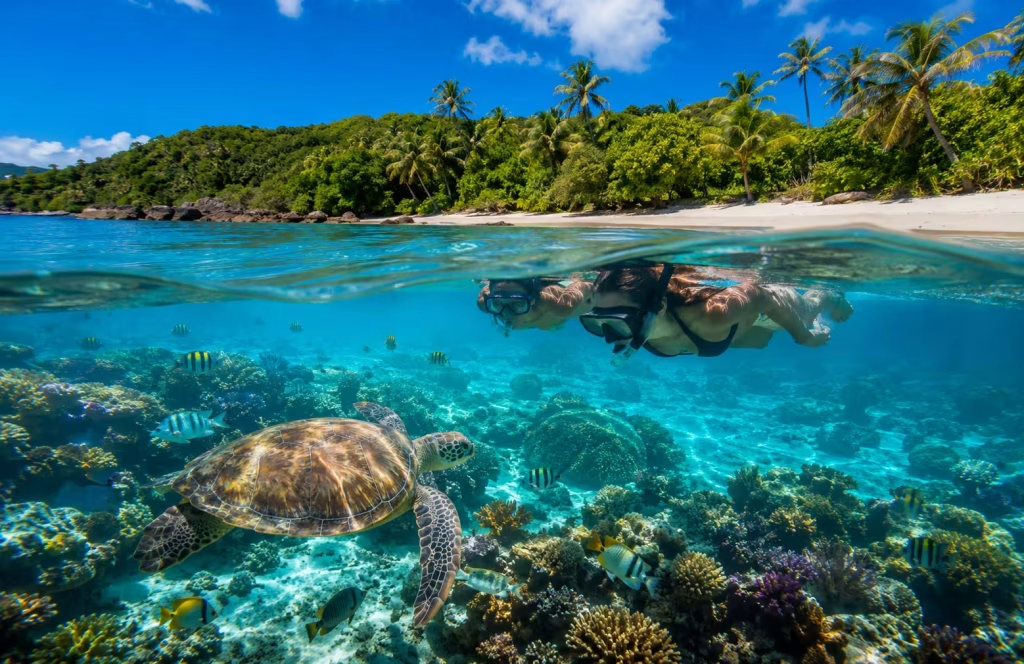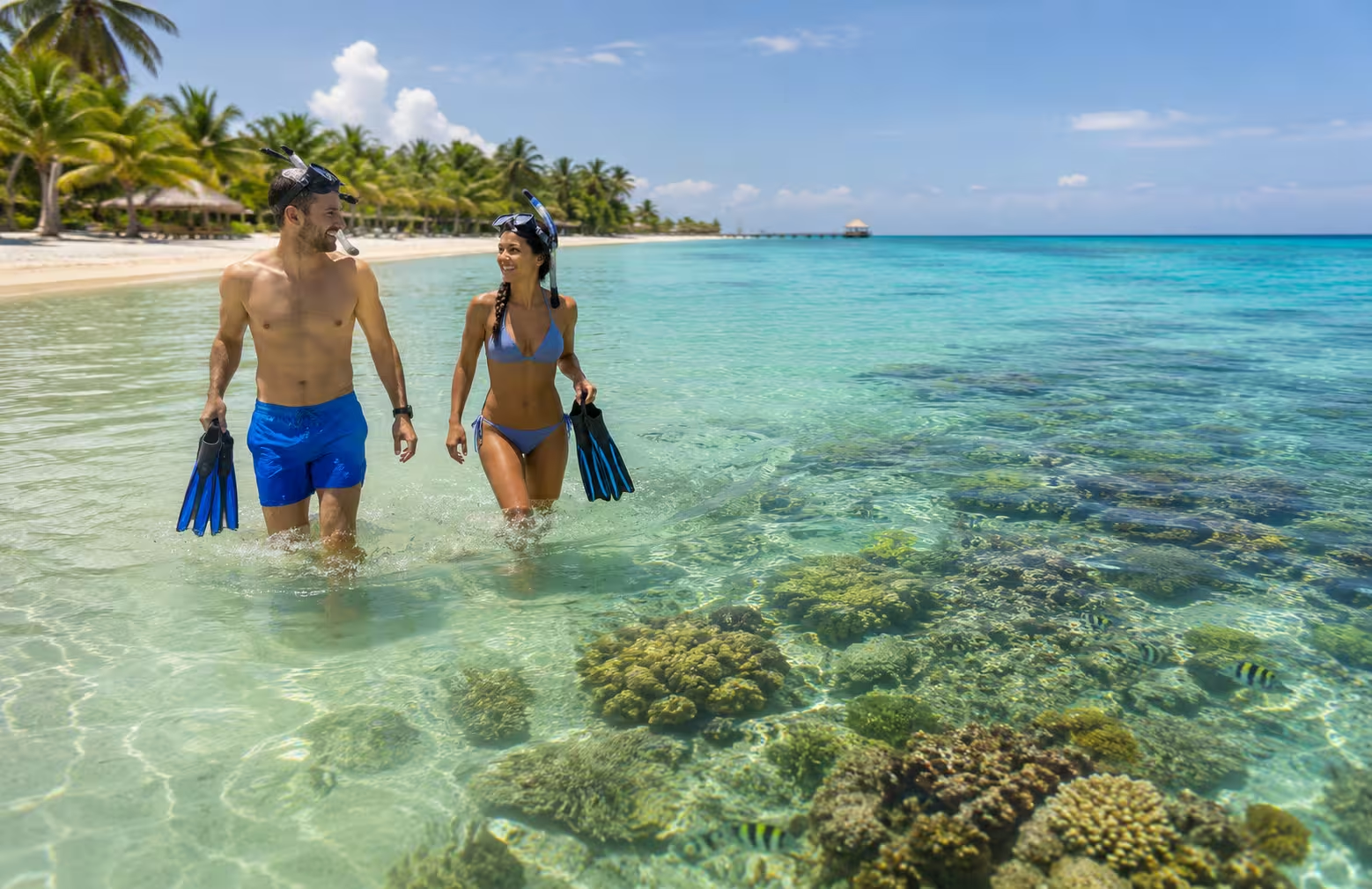
Roatan ranks among the world’s premier snorkeling destinations, and for good reason. The island sits along the Mesoamerican Barrier Reef—the second-largest coral reef system on the planet—with crystal-clear water, abundant marine life, and reef structures that come right up to the shoreline in many spots.
Whether you’re a complete beginner who’s never put your face in the water with a snorkel before, or an experienced snorkeler looking for the most spectacular spots on the island, this guide covers what you need to know. We’ll go through the best snorkeling locations, what to expect at each, and how to actually book quality tours that deliver.
Why Roatan Snorkeling Stands Out
A few factors make Roatan exceptional for snorkeling compared to other Caribbean destinations.
Reef proximity to shore. Unlike many destinations where you need a boat to reach the reef, Roatan has reef structures accessible directly from beaches like West Bay. Walk in from the sand and within minutes you’re swimming over coral formations with tropical fish.
Water clarity. Visibility regularly exceeds 80 feet in good conditions, and even on average days you can see 50-60 feet underwater. This makes the snorkeling experience genuinely spectacular—you’re not just looking at fish a few feet away, you’re seeing entire underwater landscapes.
Marine life diversity. The reef ecosystem supports hundreds of fish species, sea turtles that you’ll regularly encounter, eagle rays, nurse sharks (small and harmless), and incredible coral diversity. On a good day at the right spot, you might see 20+ different fish species in a single 30-minute snorkel.
Water temperature. Caribbean warmth year-round means you don’t need a wetsuit. The water sits in the 78-82°F range most of the year, comfortable for extended snorkeling without getting cold.
Top Snorkeling Spots in Roatan
West Bay Beach
The most accessible quality snorkeling on the island. The reef starts about 50-100 meters from shore and runs parallel to the beach for hundreds of meters. You can swim out from any point along the beach and find good coral and fish viewing.
Best time: early morning before the day-tour boats arrive. The water is calmer, the visibility is better, and you’ll have spots to yourself. After 9-10 AM, the area gets busier.
This spot works especially well for beginners because you can stay in shallow water (3-6 feet deep over much of the reef edge) and there’s always sand to stand on for breaks.
West End
The reef around West End is excellent and less crowded than West Bay. Half Moon Bay is a popular spot, accessible from West End beaches. Multiple dive shops in West End offer snorkeling tours that take you to the best spots in this area.
More confident swimmers will appreciate the deeper sections off West End where larger fish, including occasional eagle rays, are common.
Sandy Bay and Anthony's Key
Sandy Bay has some of the most pristine reef sections accessible to snorkelers. The area is part of a marine reserve, which means more abundant marine life and healthier coral. Tours from this side of the island typically include stops at multiple reef sections.
Anthony’s Key Resort area has particularly good snorkeling, including occasional dolphin encounters since the resort has a dolphin program in the bay.
Boat-Based Snorkel Sites
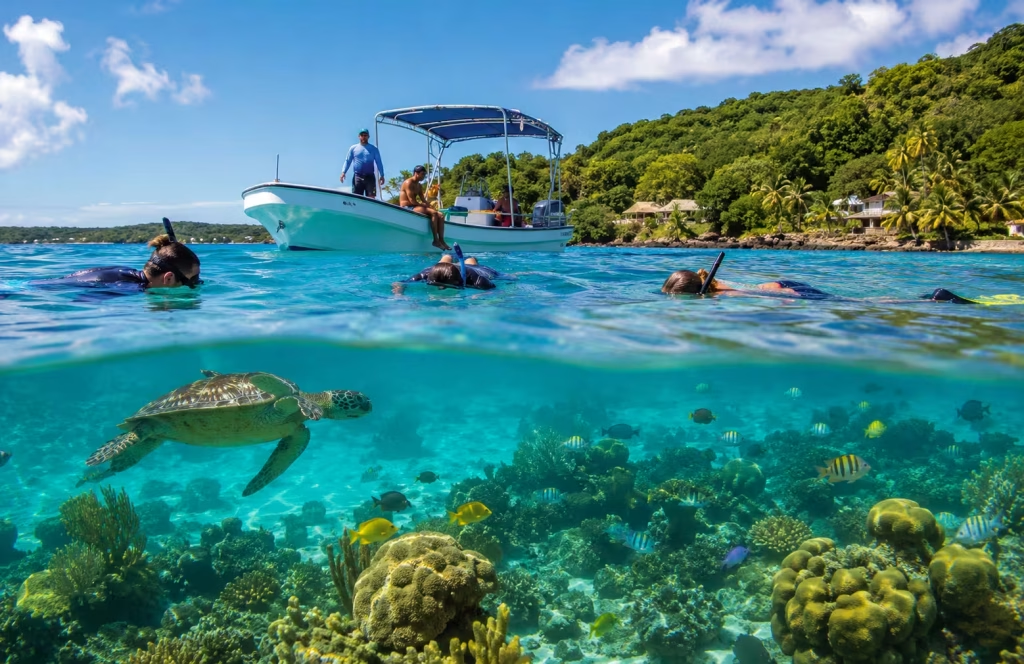
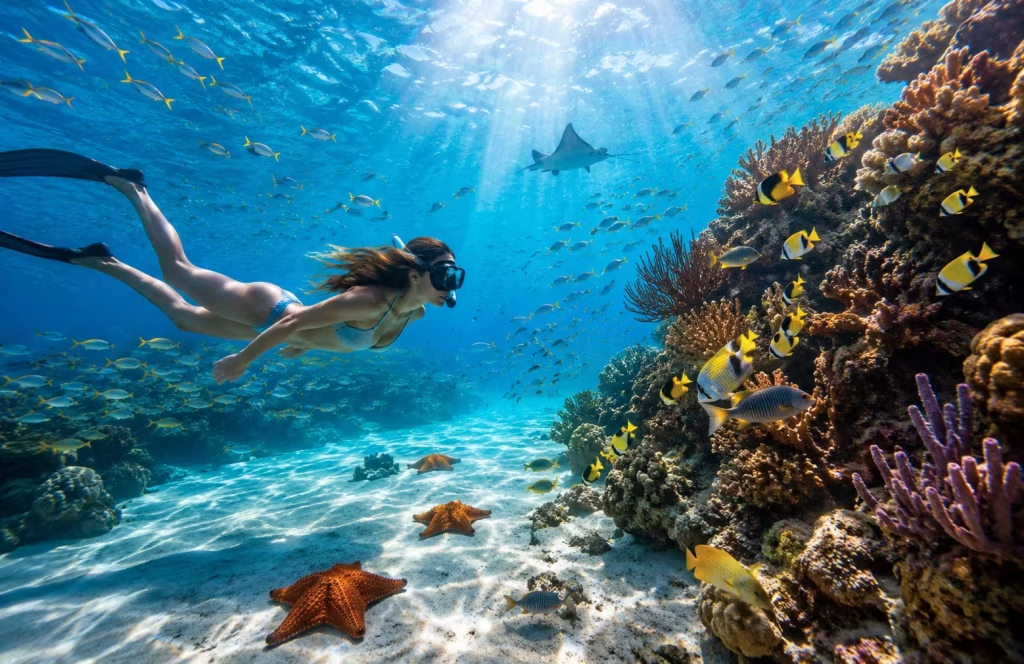
Several boat-only snorkel sites offer experiences you can’t access from shore. Two of the most popular: Starfish Alley, where dozens of orange starfish dot the sandy bottom in shallow water, perfect for photos. Blue Channel, a deeper coral channel with dramatic walls and abundant fish.
The best snorkeling tours in Roatan typically combine 2-3 different reef sites in a single excursion. This variety gives you a much fuller picture of what the reef offers compared to staying at one spot all day.
Snorkeling Tips for Beginners
If you’ve never snorkeled before, Roatan is actually one of the best places in the world to start. The conditions are forgiving, instruction is widely available, and the rewards (seeing your first reef and tropical fish) are immediate.
Practice in the shallow first. Get comfortable breathing through the snorkel while standing in waist-deep water. This eliminates the panic that some beginners feel the first time they try to breathe through the tube.
Use a flotation device if you’re unsure. Many tours provide flotation belts or noodles. There’s no shame in using them—they let you focus on enjoying the view rather than worrying about staying afloat.
Don’t fight the water. Relax, breathe slowly, and let the equipment do its job. Tense swimmers tire quickly and have a worse experience overall.
Stay aware of your surroundings. Don’t drift far from your group, watch out for boat traffic in non-roped areas, and don’t touch the coral (it damages the reef and the coral can also cut you).
Choosing a Snorkeling Tour
Multiple tour operators in Roatan offer snorkeling experiences, ranging from budget options to premium private tours. The differences matter.
Group size. Smaller groups (8 or fewer) provide better instruction, less waiting, and more personalized experiences. Large group tours sometimes feel rushed.
Equipment quality. Quality masks that fit properly are critical for a good experience. Cheap or worn masks leak constantly and ruin the experience. Reputable operators replace gear regularly.
Number of stops. Multi-stop tours give you variety and let you experience different reef sections. Single-stop tours might save money but limit your perspective.
Working with reliable Roatan tour operators who maintain quality equipment and small groups makes a significant difference. The cheapest option often delivers a worse experience that you’ll remember for the wrong reasons.
Snorkel Equipment: Buy or Rent?
If you snorkel regularly or are coming for a multi-day trip, bringing your own basic gear (mask, snorkel, fins) is worth it. Quality personal gear costs $80-150 USD and lasts years. The fit and comfort difference compared to rental gear is significant.
If this is a one-time experience, rental gear from established tour operators is fine. Just check that the mask fits properly before you get in the water—a leaky mask ruins the experience.
Marine Life You'll Likely See
Setting realistic expectations helps you appreciate what’s actually exceptional. On most Roatan snorkel trips, you’ll regularly see.
Multiple species of parrotfish (the brightly colored ones that ‘eat’ coral). Yellowtail snappers, sergeant majors, and damselfish in large numbers. Trumpetfish hovering vertically near coral. Angelfish in pairs (queen angelfish are particularly stunning). Sea turtles—Roatan has resident populations and turtle sightings are common. Stingrays in sandy areas. Spotted moray eels in coral crevices.
Less common but possible: eagle rays gliding through deeper sections, nurse sharks resting on the bottom, occasional dolphins, lobsters in coral overhangs, octopuses (mostly visible to attentive snorkelers).
Best Time of Year for Roatan Snorkeling
Roatan offers good snorkeling year-round, but conditions vary. December through April provides the most consistent calm water and best visibility. May through October sees occasional rougher weather but generally good conditions. October-November can have stronger currents and reduced visibility during occasional storms.
Day-to-day variation matters more than season. Even during the best months, individual days can be better or worse based on wind direction. Local operators check conditions and may adjust tour locations accordingly.
Practical Considerations
Bring reef-safe sunscreen. Standard sunscreen damages coral. Several brands now offer reef-safe options that protect both you and the marine environment.
Don’t apply sunscreen 20 minutes before snorkeling. Let it absorb so it doesn’t wash off in the water. Or better yet, use a long-sleeve rash guard for sun protection while snorkeling.
Stay hydrated. Tropical sun and physical activity dehydrate you faster than you might realize. Drink water before, during breaks, and after snorkeling.
Consider Dramamine if you’re prone to seasickness on boat-based tours. The boat ride between sites can be choppy depending on conditions.
Making the Most of Your Snorkel Day
If you have time for only one snorkeling experience in Roatan, choose a multi-stop boat tour over a single-location experience. The variety and accessibility to spots you can’t reach from shore make this the highest-value option.
If you have multiple days, try both shore-based snorkeling at West Bay (relaxed, on your own schedule) and a boat-based multi-stop tour (with guides who know the best current spots). Each offers a different perspective on the reef.
Roatan’s reef is genuinely one of the world’s snorkeling treasures. With proper preparation and the right tour choice, your experience can rank among the best you’ll have anywhere. The marine life and water clarity here continue to draw people back year after year, and many first-time visitors become repeat snorkelers in this destination.